
Scotland didn’t invent the fairytale castle – it simply perfected what already existed in its Highland mists and dramatic coastlines. These aren’t another collection of tourist attractions with decent gift shops. These are the stone witnesses to centuries of clan warfare, royal intrigue, and Highland romance that shaped a nation’s identity in ways that seem impossible until you experience them directly.
Architecture That Defies Time
Scotland’s castle heritage spans nearly a millennium, each structure preserving different periods of architectural evolution while serving as completely different windows into Highland history. Medieval tower houses evolved into Renaissance palaces that later transformed into romantic ruins, yet everything coexists simultaneously rather than replacing previous iterations. Walking between these castles feels like time travel through different eras of Scottish nobility, except everything remains tangible rather than relegated to history books.
Eleven Castles That Define Scotland
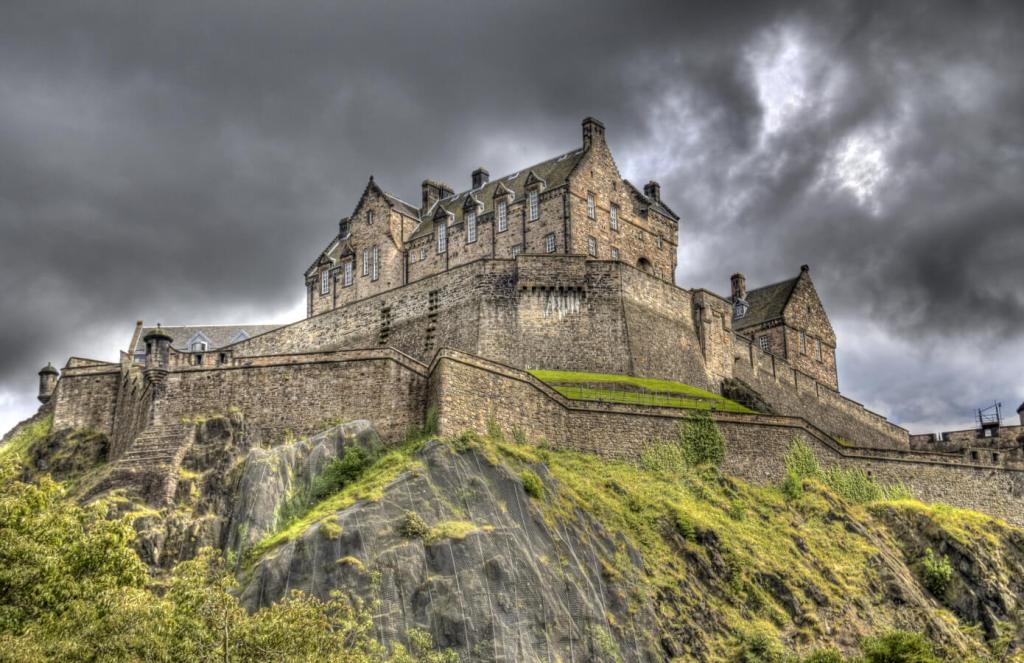
1. Edinburgh Castle: The Crown Jewel of Scotland
Perched atop an extinct volcano in Scotland’s capital, Edinburgh Castle is voted Best UK Heritage Attraction for the fourth year in a row at the British Travel Awards. This isn’t hyperbole – it’s the most visited attraction in Scotland for many reasons.
Essential Edinburgh Castle Information:
- Open daily 9:30am to 6pm (April-September), 9:30am to 5pm (October-March)
- Adult tickets £15.50, concession £12.40, child £9.30
- Allow 3-4 hours minimum for comprehensive exploration
The castle houses the Honours of Scotland – Britain’s oldest crown jewels, Mons Meg siege cannon, and St Margaret’s Chapel built around 1130. The One o’Clock Gun fires daily (except Sundays), providing perfect timing for your visit.
Where to Stay Near Edinburgh Castle:
- The Balmoral Hotel: Luxury landmark with castle views and Michelin-starred dining
- The Witchery by the Castle: Gothic romance steps from the Royal Mile
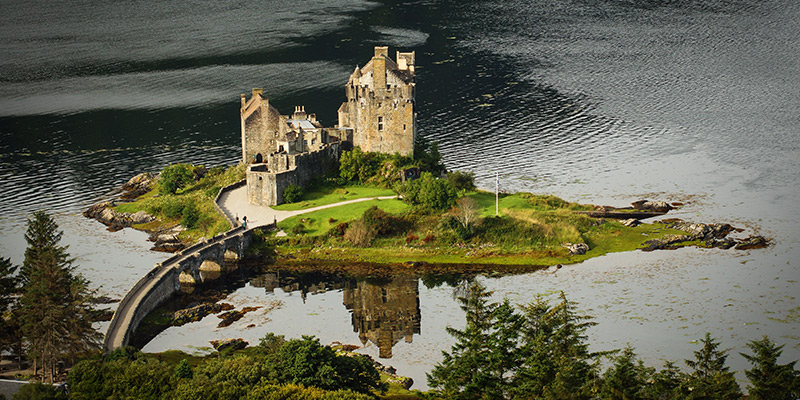
2. Eilean Donan Castle: Scotland’s Most Photographed Icon
Situated on an island at the point where three great sea lochs meet, Eilean Donan is recognized all around the world as one of the most iconic images of Scotland. The romantic stone bridge crossing to this 13th-century fortress creates the quintessential Highland castle experience.
Visiting Eilean Donan:
- Open 10am-4pm (October-December), 9am-6pm (March-October)
- Adult tickets £12, children £6.50
- Allow 1-2 hours for castle exploration
- Parking £3 for 2 hours (free when castle closed)
After castle operating hours you can walk around the outside of the castle for FREE in accordance with Scottish outdoor access rights. Evening visits provide magical photography opportunities without crowds.
Where to Stay Near Eilean Donan:
- The Dornie Hotel: Traditional Highland hospitality overlooking Loch Duich
- Kintail Lodge Hotel: Scenic mountain views and local cuisine
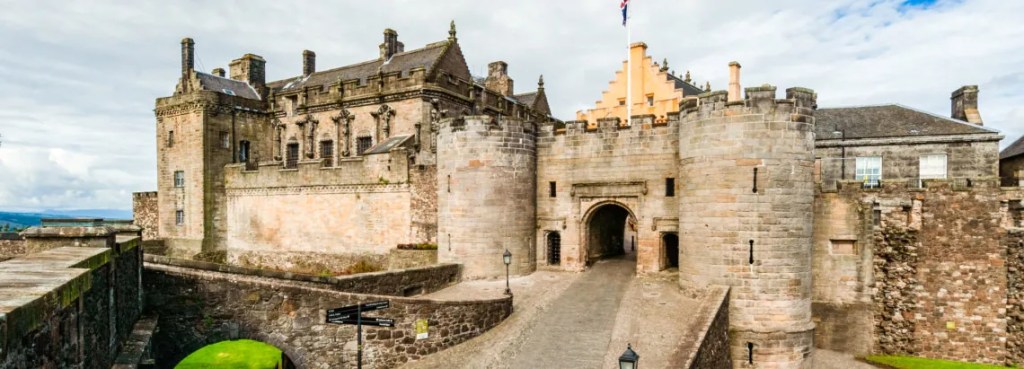
3. Stirling Castle: The Gateway to the Highlands
Stirling is one of Scotland’s greatest stone castles – an icon integral to how we understand the nation’s story. This Renaissance palace was childhood home of Mary Queen of Scots, and its lavish design drew on European Renaissance fashions to show off James V’s power and good taste.
Stirling Castle Essentials:
- Open daily 9:30am-6pm (April-September), 9:30am-5pm (October-March)
- Adult tickets £15 (advance), £16 (on-site)
- Allow 3-4 hours including guided tours
- Free guided tours hourly starting at 10am
The Great Hall is the largest medieval banqueting hall ever built in Scotland, completed for James IV in 1503. The restored Royal Palace recreates 16th-century grandeur with extraordinary attention to historical detail.
Where to Stay Near Stirling:
- Stirling Highland Hotel: Former school converted to boutique accommodation
- The Golden Lion Hotel: Historic coaching inn in Stirling’s heart
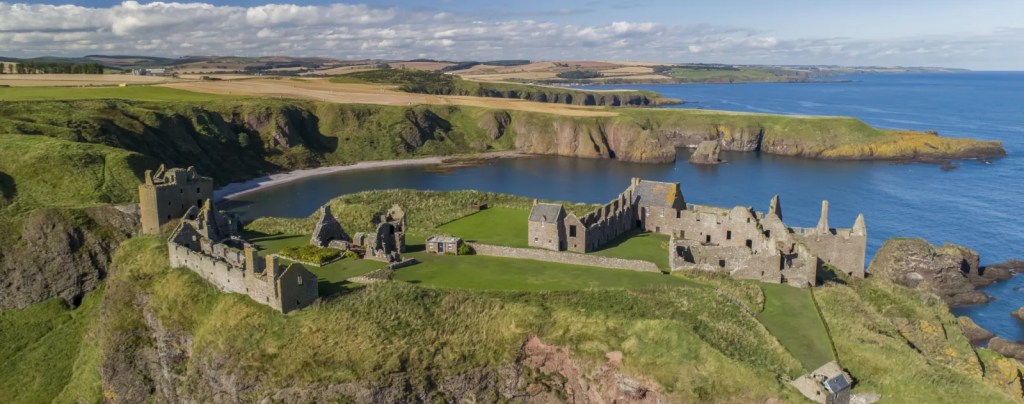
4. Dunnottar Castle: The Dramatic Clifftop Fortress
Perched atop a 160 foot rock and surrounded on three sides by the North Sea, these dramatic and evocative cliff-top ruins were once an impregnable fortress of the Earls Marischal. The castle is famous for its role in saving the Honours of Scotland (the Scottish Crown Jewels) from Oliver Cromwell’s army in the 1650s.
Dunnottar Castle Details:
- Open 9am-5:30pm (April-September), reduced hours (October-March)
- Entry tickets purchased online only
- Allow 2-3 hours for comprehensive exploration
- Free parking (though spaces limited)
The walk to the castle involves a flight of steep steps, but along the way there are easily accessible viewpoints for taking photos. As imposing as Edinburgh Castle and as atmospheric as Eilean Donan Castle, Dunnottar beats them hands-down when it comes to dramatic settings.
Where to Stay Near Dunnottar:
- The Ardoe House Hotel: Luxury country house with Aberdeen proximity
- Stonehaven Bay Hotel: Coastal views and local seafood specialties
5. Fraser Castle: Scotland’s Most Elaborate Z-Plan Castle
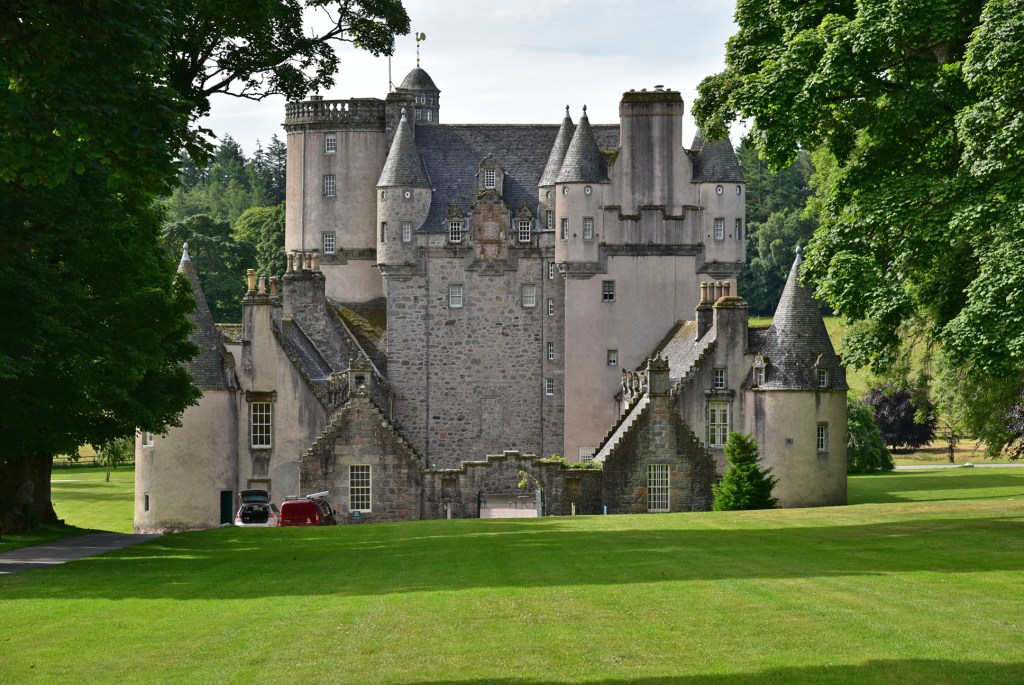
Fraser Castle is one of Scotland’s largest tower houses, dating back to the 15th century yet still in remarkably condition. This impressive Z-plan castle, constructed by Michael Fraser between 1575 and 1636, offers visitors a glimpse into Scotland’s rich history.
Fraser Castle Information:
- Open throughout the year, usually between 10:30-16:00, with last entry at 15:00
- Adult tickets £15.50, family tickets £35.00, concession tickets £12.00
- 300 acres of landscaped grounds including 19th-century walled garden
- Free car parking and pets welcome
Climb to the top round tower and see the magnificent views of the Aberdeenshire countryside. The castle includes Miss Bristow’s Trail and Alton Brae Trail, suitable for all ages.
Where to Stay Near Fraser Castle:
- Tor-na-Coille Hotel: Recommended by Fraser family descendants with excellent restaurant
- Meldrum House Country Hotel: Golf resort with historic ambiance
6. Inchdrewer Castle: The Haunted Fortress
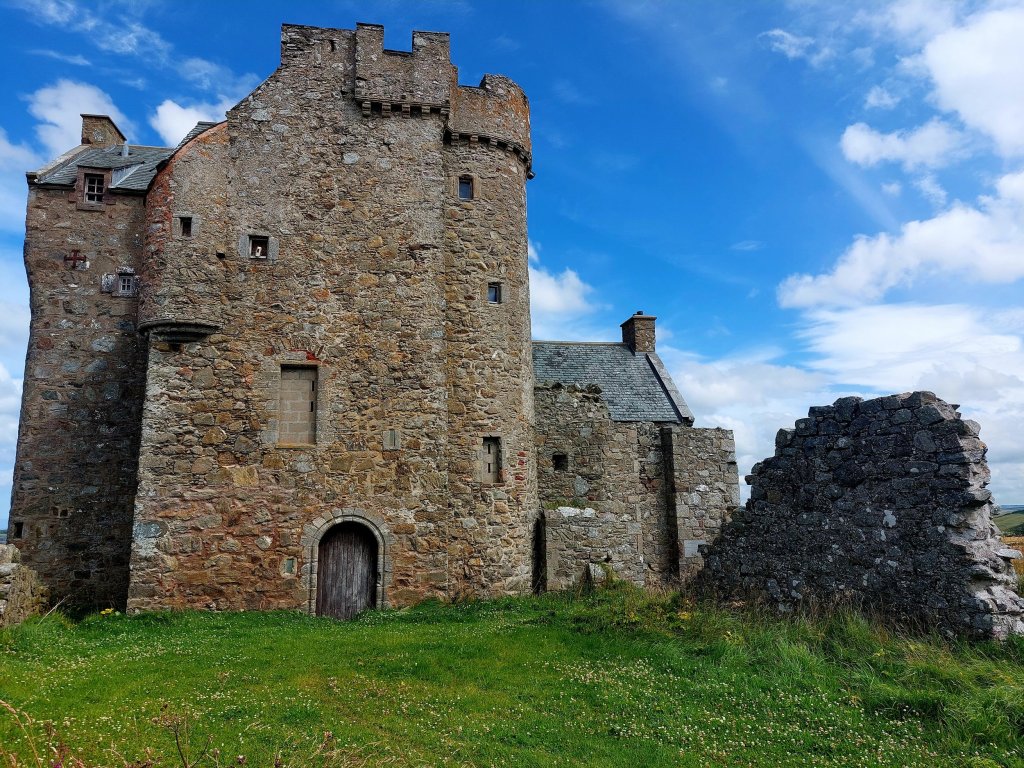
Inchdrewer Castle is a 16th-century tower house in the parish of Banff, Aberdeenshire, situated on a slight rise 3.5 miles southwest of Banff, looking across to Banff Bay. The castle is located on flat ground overlooking the area like an island in a sea of golden corn that stretches for miles in all directions.
Inchdrewer Castle Visiting:
- Off the beaten path castle accessed via single track road
- Private property with external viewing only
- Following external renovation work in the late 1960s, remains in terrific condition
- Twenty-first century newspaper stories report that the ghost of George Ogilvy, 3rd Lord Banff, haunts the castle
The castle’s history includes George Ogilvy, 3rd Lord Banff being murdered in 1713 and his body hidden inside the castle, which was then set on fire. In 2013, the castle was purchased by former Valentino and Versace model Olga Roh for around £400,000.
Where to Stay Near Inchdrewer Castle:
- Banff Springs Hotel: Traditional Scottish hospitality with golf course
- The County Hotel: Boutique accommodation in Banff town center
7. Keiss Castle: The Clifftop Ruin
Keiss Castle is a partially ruined castle in Caithness, Scotland, standing on sheer cliffs overlooking Sinclair’s Bay, less than one mile north of the village of Keiss. The striking ruins of this picturesque 16th-century tower house stand on the edge of a sheer cliff.
Keiss Castle Access:
- Park at Keiss harbour and take the signed footpath along the cliffs, a distance of 3/4 mile
- The route is well-marked and guides visitors, 1.9 kilometers taking about 30 minutes
- Great care should be exercised when visiting as it is in a dangerous state, with the structure being fenced off
- Free access to coastal walk
This walk elevates beyond a mere journey to ruins; it’s an exploration that weaves together the narrative of history with the untamed allure of Scotland’s coast.
Where to Stay Near Keiss Castle:
- John O’Groats Holiday Cottages: Self-catering with dramatic coastal views
- Castletown Hotel: Traditional Highland hospitality near the castle

8. Inveraray Castle: The Gothic Revival Masterpiece
Inveraray Castle represents Scottish baronial architecture at its finest. This 18th-century castle serves as the seat of the Duke of Argyll and showcases one of Scotland’s most impressive interiors.
Inveraray Castle Features:
- Gothic Revival architecture with fairytale turrets
- State rooms with period furnishings and clan artifacts
- Beautiful gardens and loch-side setting
- Regular opening hours with guided tours available
Where to Stay Near Inveraray:
- The George Hotel: Historic coaching inn overlooking Loch Fyne
- Brambles of Inveraray: Boutique bed and breakfast with castle views

9. Urquhart Castle: The Loch Ness Guardian
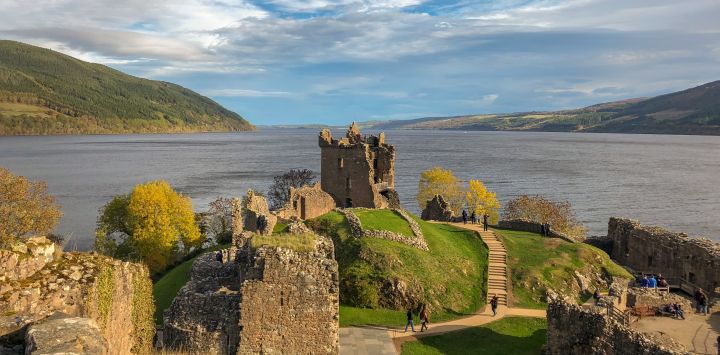
Dominating the shores of Scotland’s most famous loch, Urquhart Castle combines Highland history with legendary mystery. These extensive ruins tell the story of Scotland’s struggle for independence while offering spectacular loch views.
Urquhart Castle Experience:
- Comprehensive visitor center with medieval siege machine
- Dramatic ruins spanning 1,000 years of history
- Prime Loch Ness monster spotting location
- State-of-the-art exhibition bringing medieval life to life
Where to Stay Near Urquhart Castle:
- Loch Ness Lodge: Luxury accommodation with direct loch access
- The Drumnadrochit Hotel: Traditional Highland comfort with castle views
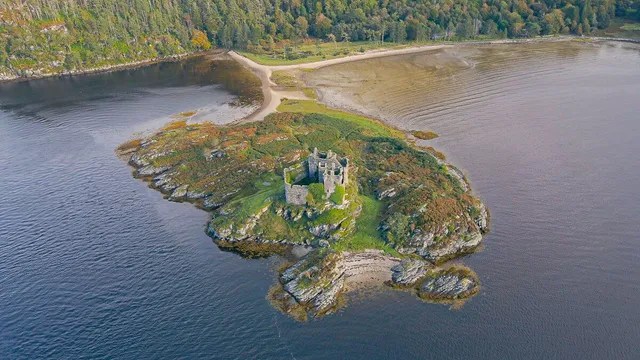
10. Tioram Castle: The Tidal Island Fortress
This romantic ruin on a tidal island in Loch Moidart represents one of Scotland’s most atmospheric castle experiences. Accessible only at low tide, Tioram Castle provides adventure alongside historical exploration.
Tioram Castle Adventure:
- Tide-dependent access adds a unique experience
- Clan MacDonald heritage and Jacobite connections
- Pristine Highland wilderness setting
- Photography opportunities unmatched anywhere else
Where to Stay Near Tioram Castle:
- Mingarry Park: Remote luxury lodges in spectacular setting
- The Strontian Hotel: Traditional Highland base for castle exploration
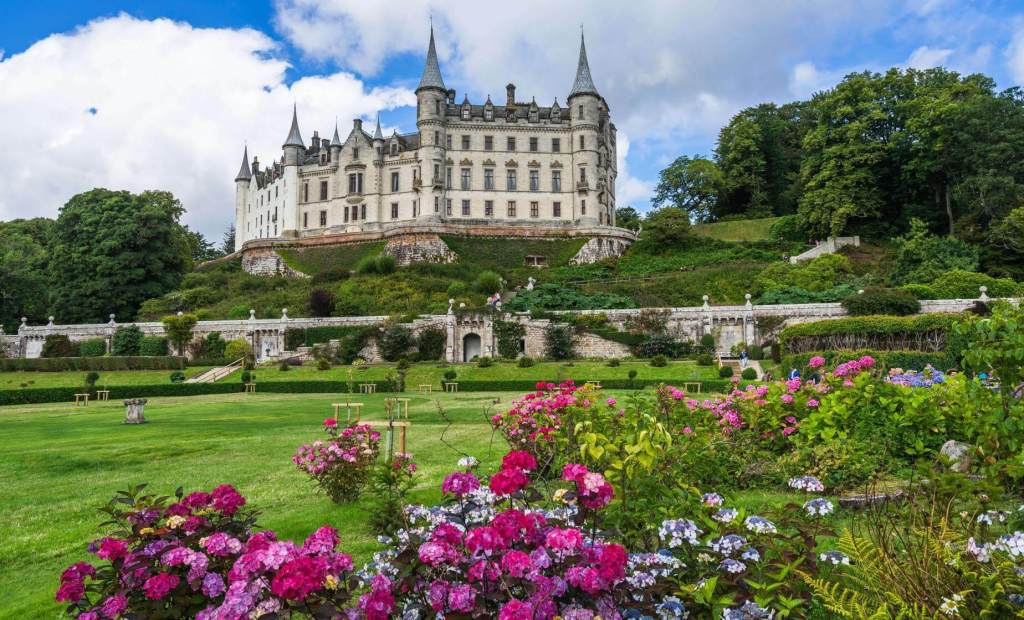
11. Dunrobin Castle: The French Château of the Highlands
Resembling a Loire Valley château more than a traditional Scottish fortress, Dunrobin Castle showcases the evolution of Scottish noble architecture. Its formal gardens and sea-cliff setting create an unexpectedly sophisticated Highland experience.
Dunrobin Castle Highlights:
- 189 rooms making it Scotland’s largest castle
- Formal French-style gardens unique in the Highlands
- Regular falconry displays bringing medieval traditions alive
- Museum showcasing Sutherland family treasures
Where to Stay Near Dunrobin:
- Dornoch Castle Hotel: 15th-century castle conversion with award-winning restaurant
- Royal Golf Hotel: Links-side luxury with castle proximity
Strategic Castle-Hopping Routes
The Royal Route (Edinburgh Base): Edinburgh Castle → Stirling Castle → Inveraray Castle creates the perfect introduction to Scottish royal history while staying in comfortable, traditional accommodations.
The Highland Adventure (Inverness Base): Urquhart Castle → Eilean Donan Castle → Dunrobin Castle provides maximum Highland drama with manageable distances between them.
The Coastal Explorer (Aberdeen Base): Dunnottar Castle → Fraser Castle → Inchdrewer Castle combines clifftop drama with architectural variety.
The Far North Challenge: Keiss Castle → Tioram Castle represents Scotland’s most remote castle experiences for adventurous travelers.
Accommodation Strategy for Castle Enthusiasts
Scottish castle exploration requires strategic accommodation decisions based on your priorities. Highland castle hotels provide immersive experiences but limit flexibility, while city bases offer comfort with longer travel times to remote fortresses.
Luxury Castle Experiences:
- Inverlochy Castle (Fort William): 19th century castle near Fort William with deeply sophisticated atmosphere and Highland setting between mountain and loch
- Kincraig Castle Hotel: Located on the NC500 in the Scottish Highlands, just a few miles north of Inverness
Strategic Regional Bases: Edinburgh provides southern castle access with world-class dining and cultural attractions. Inverness offers Highland castle proximity with luxury accommodation like Ness Walk Hotel, a 5-star hotel nestled on the leafy banks of the River Ness. Aberdeen serves the northeastern castle trail with excellent restaurants and coastal scenery.

Culinary Excellence That Complements Castle Exploration
Scottish castle regions consistently rank among Britain’s top food destinations. The combination of Highland ingredients, traditional techniques, and modern international influences creates dining experiences that enhance historical exploration.
Highland Specialties Worth Planning Around:
- Fresh Highland venison and Aberdeen Angus beef
- West Highland seafood including langoustines and scallops
- Traditional Cullen skink and modern Scottish interpretations
- Single malt whisky tastings in castle regions
Restaurant Recommendations by Region:
- Inverness: The Waterfront Bar & Restaurant – Best Gastro Pub in Scotland 2018, serving contemporary Scottish fayre
- Edinburgh: Visit Michelin-starred restaurants within walking distance of castle
- Stirling: Brea restaurant offers locally-sourced Scottish fare, plus burgers & vegan dishes.
Weather and Timing Intelligence
Highland weather enhances rather than detracts from castle experiences when properly planned. Dramatic skies and changing light create atmospheric photography opportunities impossible to replicate during perfect conditions.
Optimal Castle Exploration Timing:
- May through September provides longest daylight hours and warmest temperatures
- October through April offers dramatic weather and fewer crowds
- Winter castle visits provide cozy fireside experiences in castle hotels
Weather Reality: Year-round unpredictability requires waterproof clothing and flexible planning. If you’re visiting the Scottish Highlands during its cold and rainy season, you should definitely bring a warm waterproof jacket and waterproof walking boots.
Transportation and Access Realities
Driving Advantages: Scotland’s castle trail rewards self-drive exploration with hidden gems accessible only by car. Single-track roads lead to the most spectacular ruins.
Public Transport Options: If you want to take public transport there are Citylink buses to many castle locations from Edinburgh, Glasgow, and Inverness. However, remote castles require advance planning and flexible scheduling.
Tour Alternatives: Professional castle tours eliminate transportation stress while providing expert historical context. Multi-day tours combine accommodation with comprehensive castle exploration.
What Makes Scottish Castles Different
Scottish castles succeed as travel destinations because they combine authentic historical preservation with dramatic natural settings and genuine cultural significance. Unlike destinations that choose between authenticity and accessibility, Scotland’s castles deliver both without compromise.
The castles teach visitors about Highland resilience, clan loyalty, and architectural evolution spanning nearly a millennium. Each fortress represents different aspects of Scottish identity while collectively creating experiences unavailable anywhere else in the world.
Cultural Integration: Scottish castles connect visitors to living history through clan heritage, Jacobite struggles, and royal traditions that continue influencing modern Scotland. Understanding these connections transforms simple sightseeing into meaningful cultural immersion.
Architectural Diversity: From medieval tower houses to Renaissance palaces to romantic ruins, Scottish castles showcase architectural evolution rarely preserved so comprehensively in single regions.
Ready to experience Highland history that combines authentic preservation with dramatic natural beauty? I create personalized Scottish itineraries that balance historical exploration with comfortable accommodation and exceptional dining. Email me at sarah.fitzgerald1@fora.travel to start planning your Scottish castle adventure.
Let’s discover the fortresses that shaped a nation’s soul.

 The Insider's Atlas