
Three decades after the genocide, Rwanda has emerged as one of Africa’s most remarkable success stories. This small, landlocked nation has transformed itself into a model of reconciliation, conservation, and sustainable tourism that consistently ranks among the world’s safest countries. Through planning trips for friends and family, I’ve learned that Rwanda offers experiences that rival any African destination—from tracking mountain gorillas in misty volcanic forests to watching lions prowl the savannas of Akagera—without the crowds, corruption, or safety concerns that plague other regions.
Travel experts consistently describe Rwanda as “lush, peaceful, and populated”—a country where every hill seems carefully cultivated, roads are immaculate, and crime rates remain remarkably low. This feedback from clients who’ve returned from Rwanda isn’t tourist marketing; it’s measurable reality that transforms expectations about what African travel can be.
Why Rwanda Deserves Your Next Adventure
Rwanda’s unique geography creates three distinct ecosystems within driving distance of each other: the volcanic mountains of the northwest (home to mountain gorillas), the ancient rainforests of the southwest (chimpanzees and canopy walks), and the savanna wetlands of the east (Big Five safari country). Few destinations offer such dramatic landscape diversity in such a compact, easily navigable package.
The Safety Factor That Changes Everything Clients consistently report feeling completely safe throughout Rwanda, with solo female travelers comfortable walking streets day and night. The feedback I receive from friends and family who’ve traveled there emphasizes the country’s low crime rates, excellent infrastructure, and genuine warmth toward visitors that creates stress-free travel experiences unavailable in many African destinations.
Conservation Success Story Since 2010, Rwanda’s wildlife management has created one of Africa’s greatest conservation comebacks. Akagera National Park’s animal population increased from under 5,000 to over 13,000 through careful reintroduction programs for lions (2015), eastern black rhino (2017), and southern white rhino (2021).

Accommodation Experiences That Set New Standards
The Retreat by Heaven
This intimate eco-luxury escape features just a handful of suites in serene gardens with saltwater pools and wellness-focused dining. Expert reviewers emphasize the restorative atmosphere between city explorations, with accommodations that feel like private sanctuaries rather than commercial hotels.
Singita Volcanoes National Park
A contemporary sanctuary focusing on conservation and community, with suites opening onto private decks overlooking rainforest views. The property celebrates local ingredients through innovative dining while an in-house team crafts rich cultural experiences that connect guests with Rwandan traditions.
One&Only Nyungwe House
Positioned in the heart of tea plantations, this property offers extraordinary immersion in Nyungwe National Park and Rwandan culture. The natural environment serves as the centerpiece, providing authentic connections with both landscape and local communities.
Expert accommodation tip from travelers I’ve helped plan for: Rwanda’s luxury lodges operate on sustainability principles that enhance rather than exploit their environments, creating authentic experiences while supporting conservation efforts.

A Seven-Day Itinerary That Covers Rwanda’s Greatest Hits
Days 1-2: Kigali and Cultural Foundation
Arrival in Kigali: Rwanda’s spotless capital consistently ranks among Africa’s most livable cities. The Kigali Genocide Memorial provides essential historical context while contemporary art galleries and trendy cafés showcase the country’s modern renaissance.
Cultural Immersion: Visit the Nyamirambo Women’s Center in Kigali for local guide experiences including community projects, traditional weaving demonstrations, and authentic street food tastings that support women’s economic empowerment.
Transportation Note: From Kigali International Airport, official taxis cost around $50 to city center, while RwandAir provides convenient connections to regional destinations.
Days 3-4: Volcanoes National Park and Mountain Gorillas
The Experience of a Lifetime: Mountain gorilla trekking consistently ranks among travelers’ most transformative wildlife encounters. Friends who I’ve helped plan gorilla treks describe it as life-changing – limited to small groups with strict conservation protocols, these experiences typically last 1-8 hours depending on gorilla family locations.
Preparation Essential: Gorilla permits cost $1,500 and must be booked months in advance. Physical fitness requirements vary, but guides accommodate different ability levels through route selection and porter assistance.
Accommodation Strategy: One&Only Gorilla’s Nest or Singita Volcanoes National Park position you within the park for optimal access while supporting conservation through tourism revenue.
Days 5-6: Nyungwe Forest National Park
Primate Diversity: With 13 different primate species, Nyungwe offers chimpanzee tracking, Rwenzori colobus monkeys, and l’Hoest’s monkey encounters. The forest contains over 130 kilometers of hiking trails with expert guides.
Canopy Walk Adventure: The 50-meter-high suspension bridge provides East Africa’s highest canopy walk experience—not for those with height fears, but unforgettable for adventurous travelers.
Accommodation: Nyungwe House offers tea plantation settings with forest access, while One&Only Nyungwe House provides luxury forest immersion.
Day 7: Akagera National Park Safari
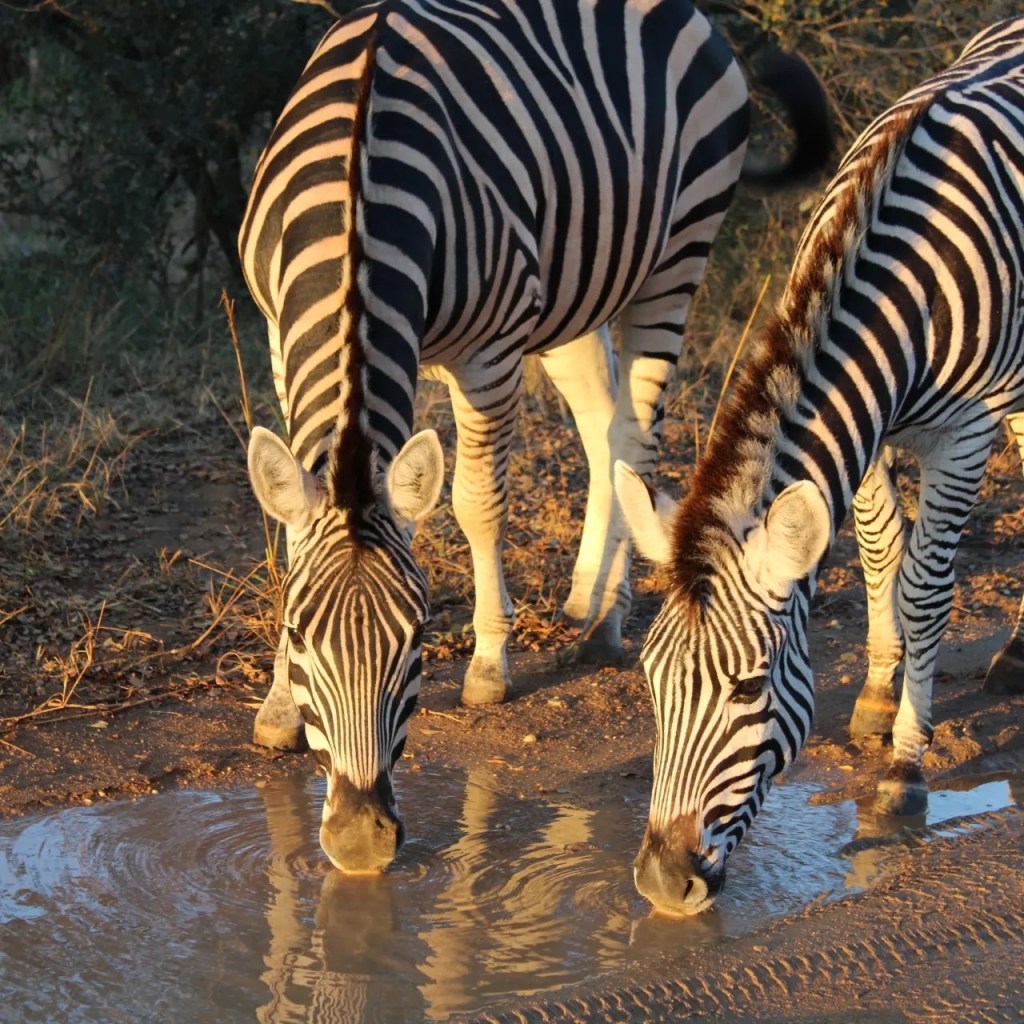
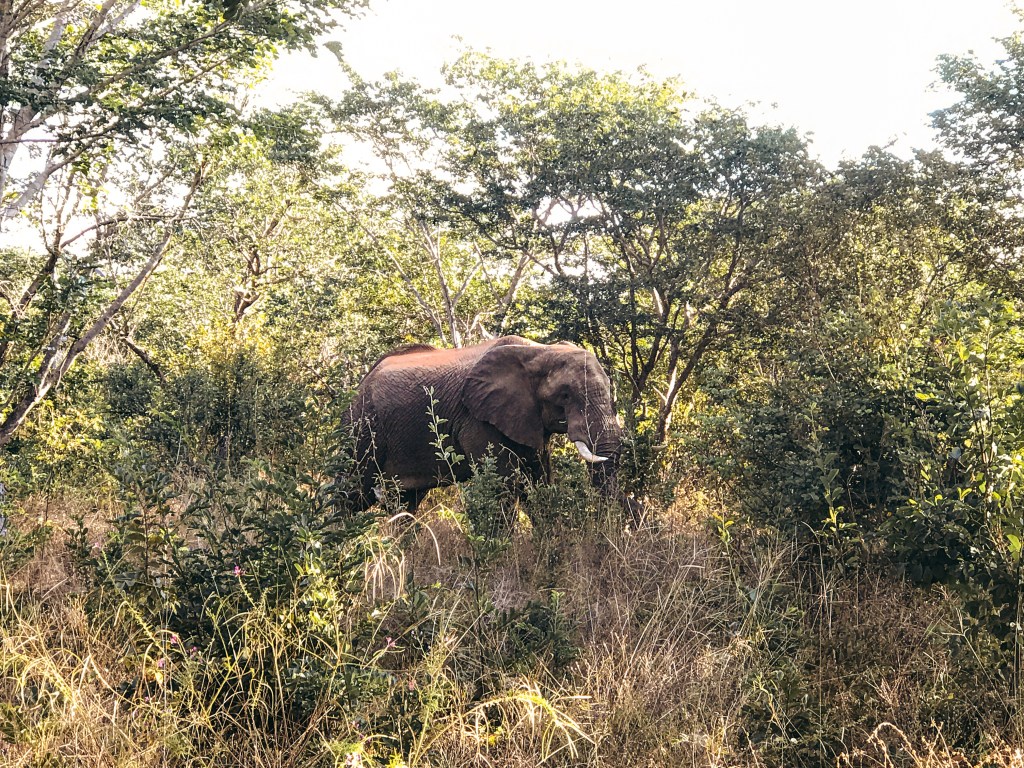
Rwanda’s Only Big Five Destination: Akagera’s 112,000 hectares of savanna and wetlands support lions, elephants, buffalo, leopards, and both black and white rhinos alongside zebras, giraffes, and over 500 bird species.
Self-Drive Paradise: Unlike many African parks, Akagera encourages self-drive exploration from 6 AM to 6 PM daily. Expert travel bloggers recommend hiring local guides ($40/day) for wildlife knowledge and park navigation.
Boat Safari Highlight: Lake Ihema boat excursions (scheduled at 7:30 AM, 9 AM, 3 PM, and 4:30 PM) offer hippo and crocodile viewing plus exceptional bird watching opportunities.
The Safari Experience That Surprises Everyone
Akagera National Park: Africa’s Best-Kept Safari Secret
Expert safari guides consistently rate Akagera among Africa’s most scenic parks, offering excellent wildlife viewing without the crowds that plague famous East African destinations. The park’s management by African Parks since 2010 has created remarkable conservation success stories.
Wildlife Reality Check: Akagera now boasts thriving populations of lions, elephants, buffalo, zebra, giraffe and leopard, while the waterways teem with hippo and enormous crocodiles. The reintroduction programs have been so successful that wildlife viewing rivals much more expensive and crowded destinations.
Self-Drive Advantages: Yes, it is perfectly safe to drive yourself in Akagera, provided you pay attention to the park rules and regulations and ensure you receive a safety briefing before setting off. This independence allows couples and families to explore at their own pace without group tour constraints.
Accommodation in the Wild: Ruzizi Tented Lodge and Karenge Bush Camp let us bloggers stay for free, and they’re not cheap otherwise, so our opinion may be biased, but we honestly think the experience of staying a night or two in Akagera is worth it. Overnight stays provide opportunities to see nocturnal wildlife and experience African sunrises without day-trip time pressures.
Cost Considerations: Park entry fees run approximately $50 per person plus $40 for vehicles, with guide services available for $40 per day. Multiple clients have shared that compared to Tanzania or Kenya safari costs, Akagera offers exceptional value for authentic Big Five experiences.
Safety and Logistics for Safari Success
Vehicle Requirements: Expert safari operators recommend 4×4 vehicles during wet seasons, though standard vehicles manage dry season conditions. Self-drivers must stay on marked roads and avoid exiting vehicles except in designated areas.
Best Wildlife Viewing: There are certain ‘hot-spots’ for game viewing, these include Giraffe Area in the south, Mutumba Hills, Mohana and Kilala Plains in the north. Local guides possess daily knowledge about animal movements and optimal viewing locations.
Lake Ihema Boat Safaris: A boat trip on Lake Ihema is wildlife and bird viewing from a different point of view. Trips are scheduled at 7.30am, 9am, 3pm and 4.30pm. These water-based safaris provide unique perspectives on hippos, crocodiles, and aquatic bird species.

Getting Around Rwanda Safely and Efficiently
Transportation That Actually Works
Road Infrastructure: Rwanda maintains some of Africa’s best road networks, with major routes paved and well-maintained. GPS and offline maps function reliably, reducing navigation concerns that plague other African destinations.
Motor Taxi Culture: Friends who have visited Kigali describe the red-vested motorcycle taxi system as surprisingly efficient and well-organized. Expert travelers note the system’s organization and safety compared to chaotic transport in other African cities.
Self-Drive Feasibility: Rwanda has good road networks, making self-driving easier compared to other African countries. Major roads are paved, and national parks like Akagera and Volcanoes National Park have clear routes.
Practical Safety Considerations
Crime Reality: Rwanda is widely recognized as one of Africa’s safest countries, with low crime rates. Nevertheless, visitors should exercise common sense by avoiding carrying large sums of money and being cautious when walking at night.
Health Precautions: Yellow fever vaccination may be required upon entry. Malaria prevention medication is recommended despite low case rates in Akagera. Expert travelers suggest consulting travel clinics 8 weeks before departure.
Environmental Policies: Plastic bags are prohibited in Rwanda, and visitors will be required to surrender any upon arrival at the airport, including those from duty-free shopping. This environmental commitment extends throughout the country.
Cultural Experiences Beyond Tourism
Food and Dining Innovations
Rwanda’s culinary evolution has shifted toward sophisticated farm-to-table dining. Ruä represents intimate fine dining with inventive seasonal menus merging local produce with globally inspired techniques, while Cucina Restaurant offers modern Italian favorites in sleek city-center locations focusing on fresh, seasonal ingredients.
Expert food bloggers note that while traditional Rwandan cuisine can be underwhelming for international palates, feedback from travelers I’ve worked with suggests the country’s emerging restaurant scene creates exciting fusion experiences utilizing exceptional local ingredients.
Community Integration Opportunities
Village Cultural Experiences: At Ibyiwacu Village, outside Volcanoes National Park, our guests are greeted by an amazing presentation featuring traditional drumming and dancing coupled with warm, heartfelt Rwandan hospitality. These encounters provide authentic cultural education rather than performative tourism.
Women’s Cooperative Support: The Nyamirambo Women’s Center offers guided neighborhood tours, traditional craft workshops, and cooking classes that directly support women’s economic empowerment while providing authentic cultural immersion.
Language and Communication
Language Reality: While researching Rwanda, I expected English to be widely spoken, but quickly learned that Kinyarwanda is the dominant language, and many people did not know English. While English gained official status in 2009, French remains widely used, particularly among older populations. Basic Kinyarwanda phrases enhance local interactions significantly.
Digital Connectivity: Travelers consistently report excellent WiFi and mobile connectivity throughout Rwanda. One family I helped plan for mentioned having reliable internet even during long drives to remote areas, which was particularly appreciated by those needing to stay connected for work.
Best Time to Visit Rwanda
Optimal Seasons: When visiting Rwanda during January and February, the high and medium-altitude areas like Kigali, Lake Kivu, Volcanoes, and Nyungwe are hot in the day but cool in the evenings. This period offers excellent gorilla trekking conditions with manageable heat and humidity.
Dry Season Advantages: June through September provides ideal gorilla trekking weather with reduced humidity, though slightly higher tourist volumes. November through April offers good weather for Akagera safaris with spectacular scenery.
Investment and Value Considerations
Permit Costs: Gorilla trekking permits cost $1,500 per person and require advance booking. Chimpanzee tracking permits cost significantly less while offering comparable primate experiences.
Safari Value: Compared to Tanzania’s Serengeti or Kenya’s Maasai Mara, Akagera provides authentic Big Five experiences at fraction of the cost with superior infrastructure and safety.
Accommodation Range: From luxury eco-lodges ($500+ per night) to comfortable mid-range options ($100-300), Rwanda offers quality accommodations across price ranges with sustainability focus.
What Rwanda Teaches About African Travel
The country rewards visitors who appreciate quality over quantity, conservation over exploitation, and cultural depth over superficial tourism. Every experience, from gorilla encounters to safari drives to cultural workshops, feels purposeful rather than performative.
The Rwanda Standard: After experiencing Rwanda’s combination of safety, beauty, conservation success, and cultural authenticity, many travelers reassess their assumptions about African travel possibilities. The country proves that African destinations can exceed rather than merely meet international tourism expectations.
Rwanda isn’t just recovering from its tragic past—it’s setting new standards for what African tourism can become when conservation, community development, and visitor experience align around sustainable principles.
Ready to experience Africa’s most remarkable transformation story? I create personalized East African itineraries that balance wildlife encounters with cultural immersion and conservation support. Email me at sarah.fitzgerald1@fora.travel to start planning your Rwanda adventure.
Let’s discover the African destination that’s quietly revolutionizing continental tourism.

 The Insider's Atlas