
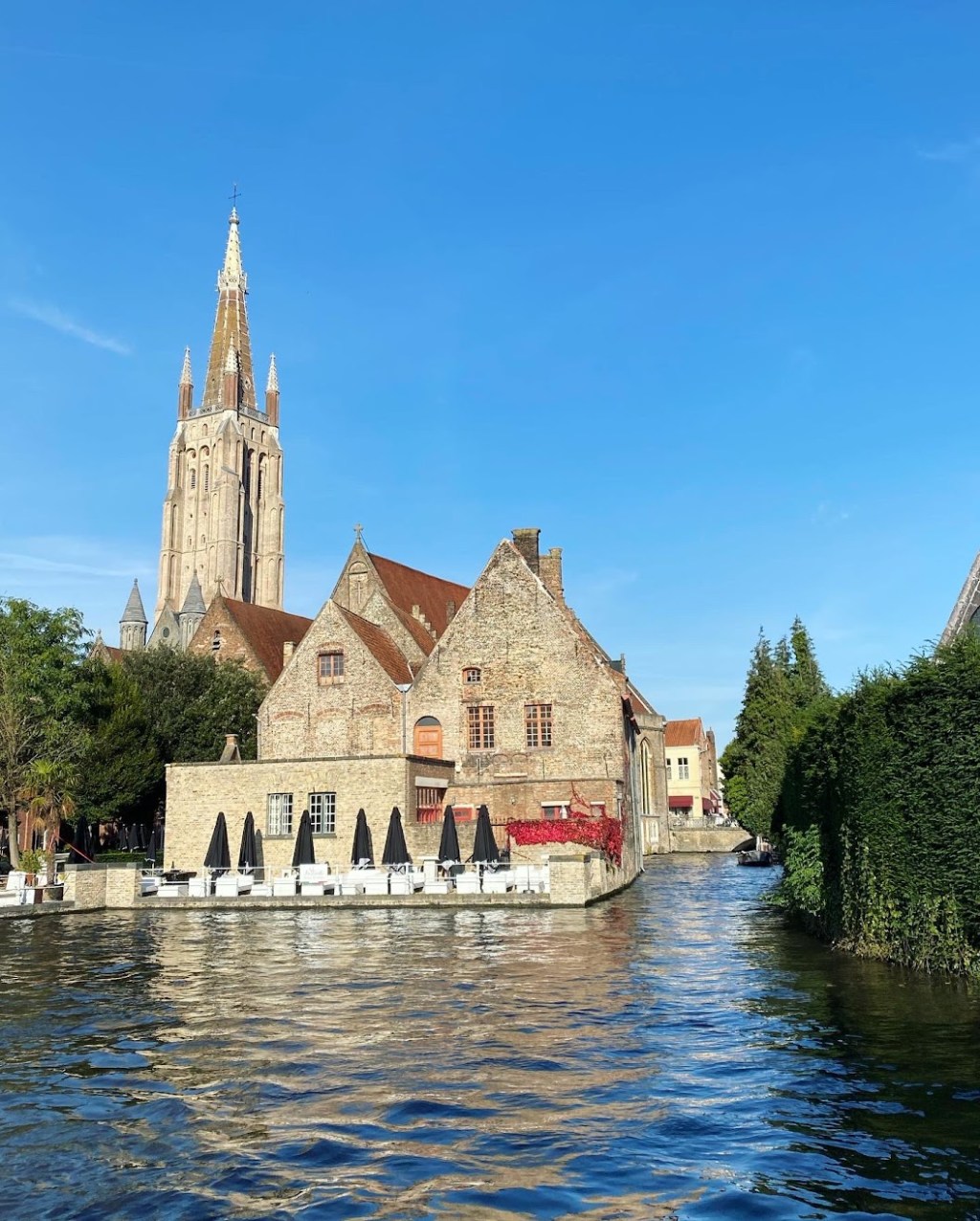
I planned Belgium as a quick weekend getaway between “real” destinations. Three days later, I was researching Belgian real estate prices and wondering why everyone talks about Paris when Bruges exists. Sometimes the best travel discoveries happen when you’re not trying to be impressed.
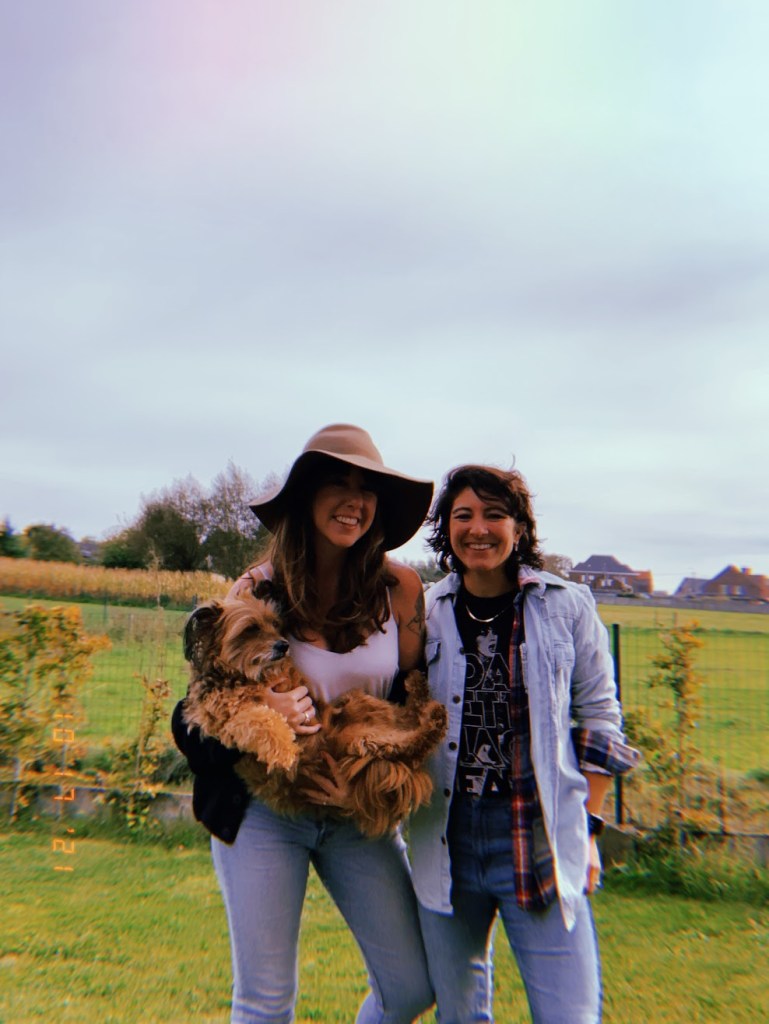
Why Belgium Deserves Better Than Your Weekend Leftovers
Let’s address the elephant in the room: Belgium is nobody’s first choice destination. It’s where you go between Amsterdam and Paris, or when you want to see “a bit of Europe” without committing to the heavy hitters. I was guilty of the same thinking until I spent three days moving between medieval masterpieces and realized that Belgium has been quietly perfecting European charm while everyone else was dealing with overtourism.
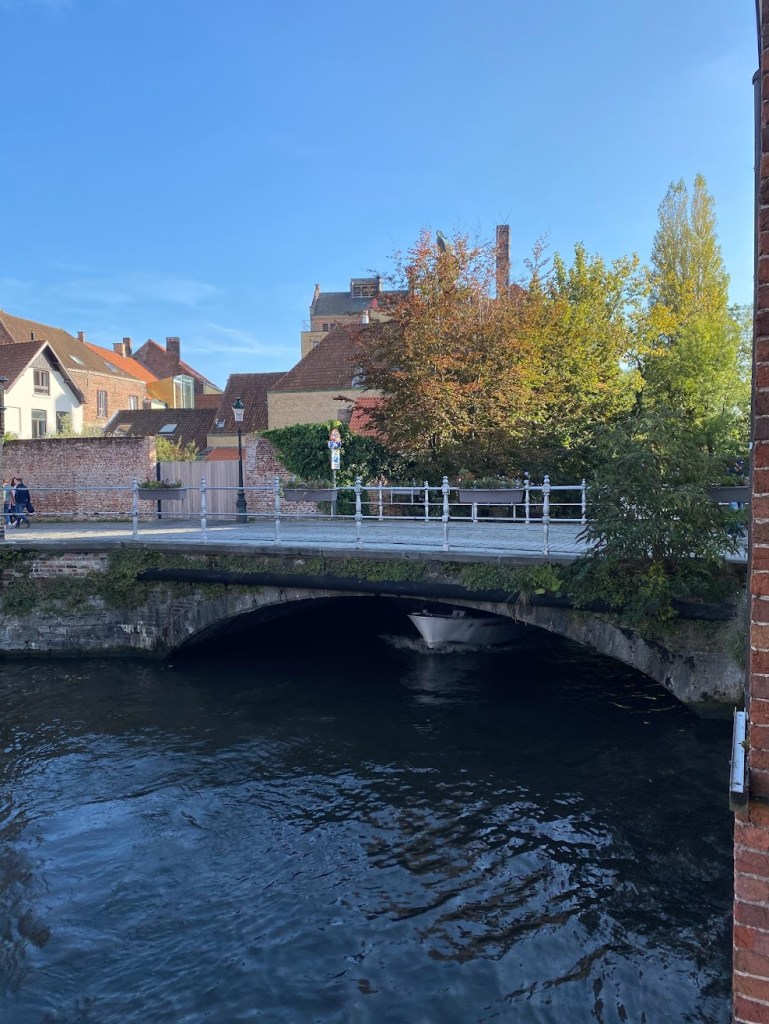
Bruges may get the attention, but Ghent gets the soul. With its winding canals, castle-topped skyline, and vibrant student energy, Ghent blends storybook charm with cultural depth. And here’s the thing about Belgian efficiency: it takes 30 minutes to travel from Bruges to Ghent, which means you can experience two completely different medieval worlds in a single day.
The Transport Strategy That Actually Works
Looking at my notes from this trip, I obsessed over logistics in the best way possible. From Bruges to Ghent takes 30 minutes by train, but the Gent-Sint-Pieters train station is a 30-minute walk from downtown Ghent, so taking a taxi or tram is quicker. The tram system is brilliantly simple: take line 1 towards Eindhalte to get into town at Korenmarket, the center of Ghent.
But here’s what I learned about Belgian transportation: the trains are punctual, frequent, and affordable. Public transport in Belgium works so seamlessly that renting a car actually creates more problems than it solves. Those narrow medieval streets weren’t designed for modern vehicles, and parking costs more than a good dinner.
My Efficient Day Trip Strategy:
- Morning train to first city (arrive by 9 AM)
- Explore until early afternoon
- 30-minute train to second city
- Afternoon exploration plus dinner
- Evening train back to base
This pace gives you enough time to appreciate each place without the exhaustion that comes from rushing between Instagram spots.
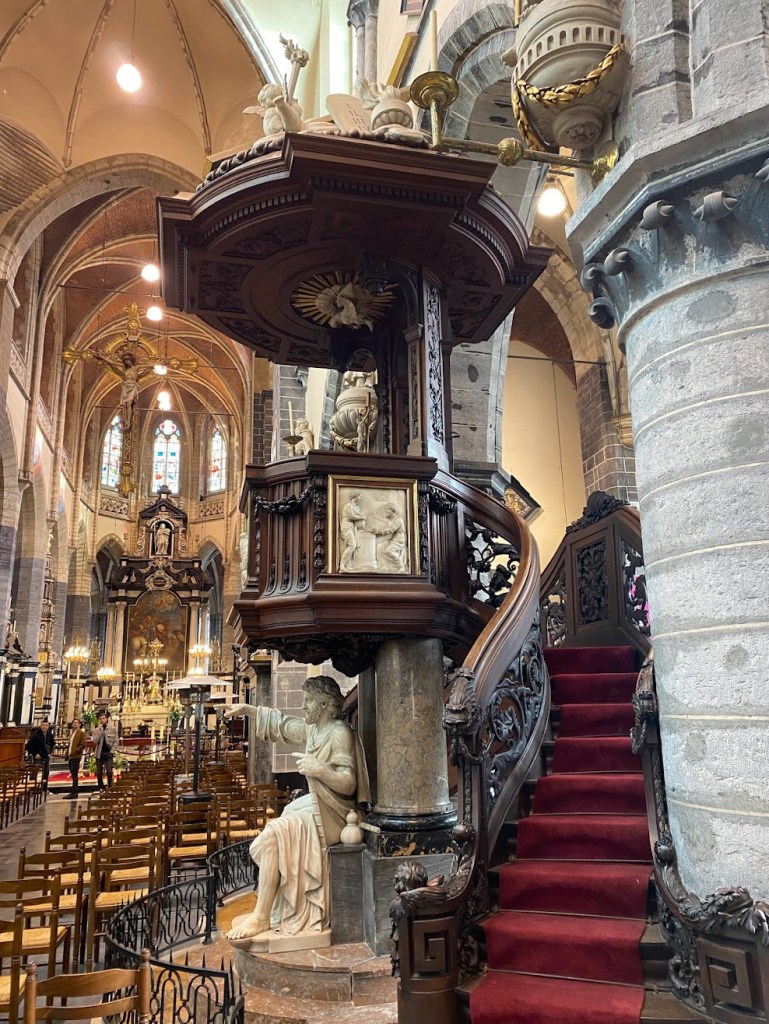
Ghent: The Medieval City with Modern Soul
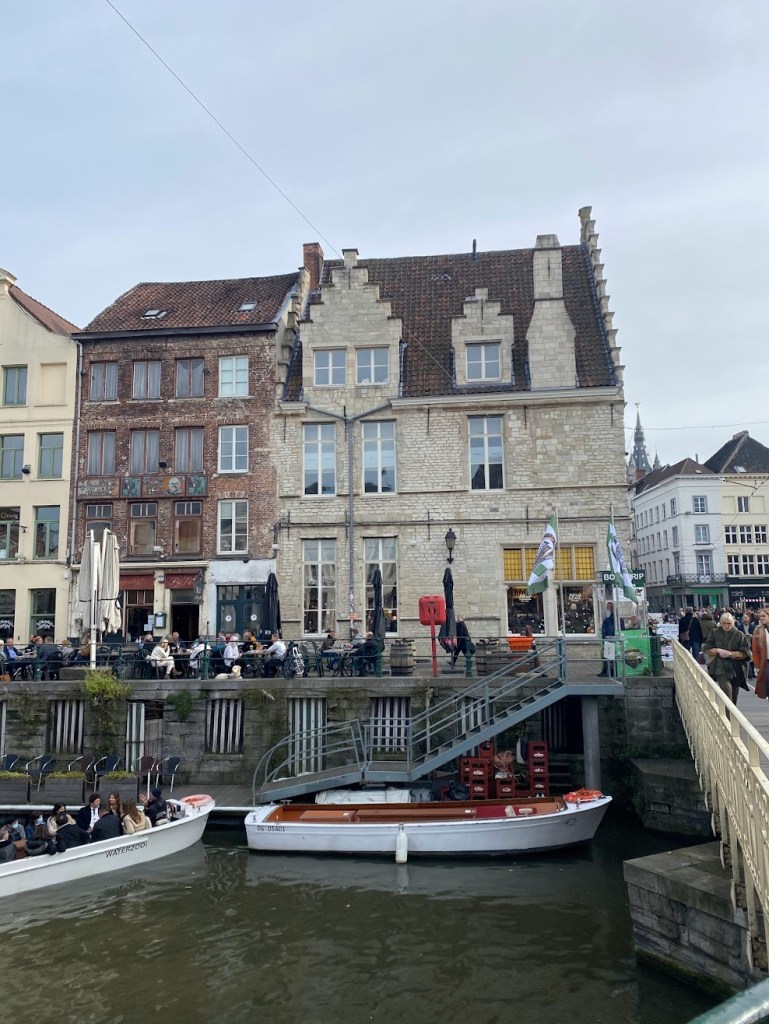
Ghent was the largest city in Europe behind Paris during the Medieval period, and somehow it still feels like it has secrets worth keeping. While tourists queue for hours in Bruges, Ghent offers equally impressive medieval architecture with space to breathe.
What Makes Ghent Special:
Gravensteen Castle: This imposing castle, also called Castle of the Counts, sits in the city center like something from a fairy tale that actually existed. The views from the towers put modern observation decks to shame.
The Ghent Altarpiece: Located in a specially designed chapel inside Saint Bavo’s Cathedral, the altarpiece was fully restored between 2012 and 2020, revealing vibrant color and fine detail. This isn’t just art history – it’s standing in front of something that’s influenced Western culture for 600 years.
Local Life That’s Actually Local: Ghent’s more relaxed atmosphere comes from its university population and the fact that it hasn’t been completely taken over by tour groups. You can still find locals at the bars and cafés.
Where to Drink Like a Local:
The Cobbler, housed inside the 1898 Post Hotel, is an upscale cocktail bar that feels like walking into a rich person’s private palace bar. The decor is impeccable, the sunset views over the canal are unparalleled, and their drinks are top notch.
For something more traditional, any pub serving Lindemans beer will give you the authentic Belgian experience. Belgian beer can range anywhere from 5-12% alcohol content, so it will catch up with you faster than most other beers – consider yourself warned.

Bruges: Fairy Tale Architecture Meets Tourist Reality
Everyone knows Bruges is beautiful. What they don’t tell you is that to avoid spending your valuable time in line, get to Bruges in the morning. The medieval streets look like a movie set because they’ve been preserved exactly as they were 500 years ago, but that also means they can only handle so many people at once.
The Bruges Strategy:
Arrive Early: Beat the day-trip crowds by being there when the city wakes up. The morning light on the canals is worth setting an alarm for.
Canal Cruise Math: Everyone will tell you to take a canal boat tour. They’re right, but timing matters. Late afternoon offers the best light for photos and fewer screaming children.
Walking vs. Gawking: Bruges rewards wandering over checking boxes. The most photogenic spots aren’t always the most famous ones.
Hidden Bruges Experiences:
Bij Koen en Marijke is a magical restaurant run by married couple Koen and Marijke – he tracks down the very best meat and cooks it superbly over fire, she selects outstanding and interesting beers to accompany them. This is the kind of place that makes you understand why people fall in love with European dining culture.
The Belgian Beer Education You Didn’t Know You Needed
Belgium doesn’t just make beer – it makes beer that turns people into beer people. If you’re a beer lover or want to sample Belgian beer whilst exploring the city, spend an afternoon bar hopping around hidden taverns throughout the city with a local guide.
The Varieties That Matter:
- Trappist ales: Made by monks, perfected over centuries
- Lambics: Sour beers that taste like fruit and funk had a baby
- Abbey ales: Strong, complex, and surprisingly smooth
Belgian Beer Wisdom: Don’t try to keep up with locals. Belgian beer alcohol content can range anywhere from 5-12%, and Belgians have been building tolerance since childhood. Pace yourself and appreciate the craftsmanship.
Planning Your Belgian Adventure
Transportation:
From Brussels to Ghent takes 30 minutes and costs €11.10 one way. From Bruges to Ghent takes 25 minutes and costs €8.10 one way. Belgian trains run frequently and on time – use them.
Where to Stay:
Ghent: Hotel de Flandre is a gorgeous restored 19th century building in the heart of the city centre, only a few moments walk to Graslei & Korenlei, Gravensteen and Patershol. Request a high floor for views of Ghent’s medieval towers.
Bruges: Stay near the Markt but not directly on it. You want walking access without the constant tourist noise.
Time Investment:
Two is ideal for Ghent – enough time to see the main attractions, explore hidden gems, and enjoy the city’s vibrant nightlife and food scene at a relaxed pace. Add two days for Bruges if you want to experience it beyond the day-trip rush.
2025 Updates Worth Knowing:
Ghent has completed a five-year restoration project of its 12th-century fortress, revealing previously inaccessible areas, and has expanded its car-free zone, creating more space for outdoor dining and cultural events.
Why Belgium Changed My Travel Priorities
Before Belgium, I thought European cities fell into two categories: world-famous destinations and places you visit because they’re convenient. Belgium taught me about the third category: places that are better than the famous ones but haven’t been discovered by everyone yet.
Ghent is the most underrated city in Belgium, and Belgium is one of the most underrated countries in Europe. This might be the most accurate travel assessment I’ve encountered.
The Belgium Effect:
After experiencing the seamless blend of medieval architecture, local culture, and modern convenience, every other European city felt like it was trying too hard. Belgium’s cities work perfectly without needing to announce their perfection to the world.
What Belgium Does Right:
- Accessibility: Everything important is within walking distance or a short tram ride
- Authenticity: Locals still outnumber tourists in many areas
- Practicality: Infrastructure that works without constant renovation drama
- Quality: From beer to chocolate to architecture, Belgians don’t do things halfway
The Bottom Line
Belgium deserves better than your leftover weekend time. It deserves the kind of attention you’d give to Paris or Rome, because honestly, it delivers comparable experiences with significantly fewer crowds and more reasonable prices.
You’ll leave Belgium understanding why Europeans speak about it with quiet pride rather than tourist promotion. It’s the kind of place that rewards travelers who appreciate quality over quantity, substance over social media moments.
Plan accordingly – once you experience Belgium properly, you’ll start measuring other European destinations against it. And most will come up short.
Ready to discover Belgium beyond the day-trip rush? I specialize in creating European itineraries that balance iconic destinations with authentic local experiences. Email me at sarah.fitzgerald1@fora.travel to start planning your Belgian adventure.
Let’s explore the Europe that Europeans actually prefer.

 The Insider's Atlas