
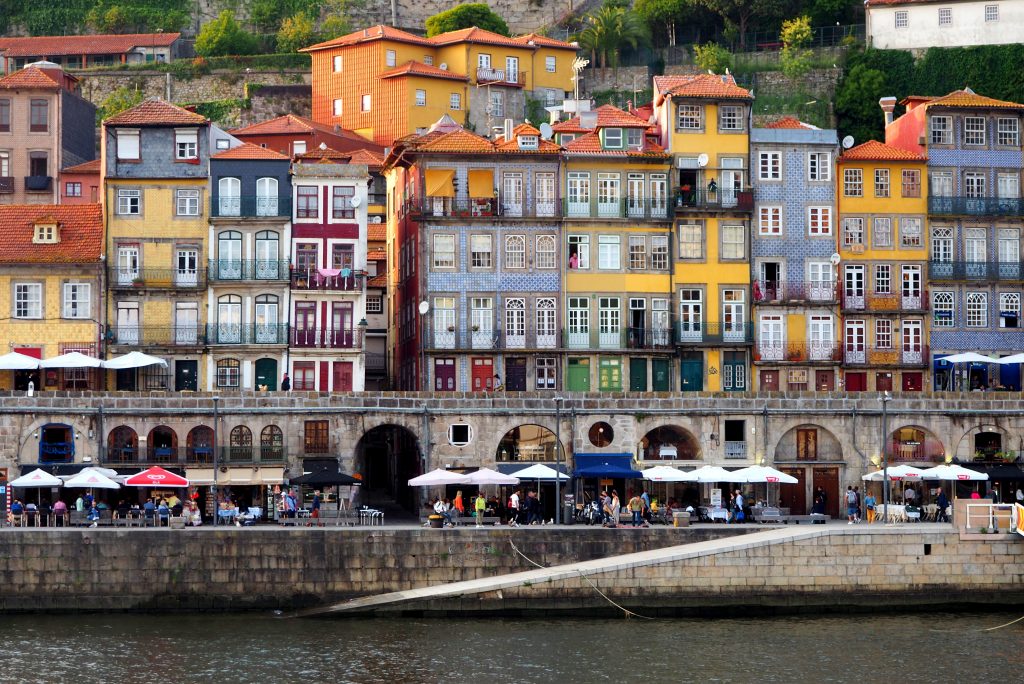
I went to Portugal expecting a budget-friendly alternative to Spain. What I found was a country that’s been quietly perfecting the art of living well for centuries – with better seafood, friendlier locals, and wine that costs less than coffee in other European capitals.

Why Portugal Should Be Your Next European Adventure
Portugal sits at the edge of Europe like the continent’s well-kept secret, except the secret is definitely out. This is a country where you can eat Michelin-starred meals for the price of casual dining elsewhere, discover beaches that rival the Caribbean, and experience cities that feel authentically European without the crowds crushing your soul.
The beauty of Portugal lies in its contradictions: it’s affordable yet sophisticated, traditional yet innovative, small yet incredibly diverse. From Lisbon’s tile-covered hills to the Algarve’s dramatic coastlines, this country rewards travelers who appreciate quality over quantity.
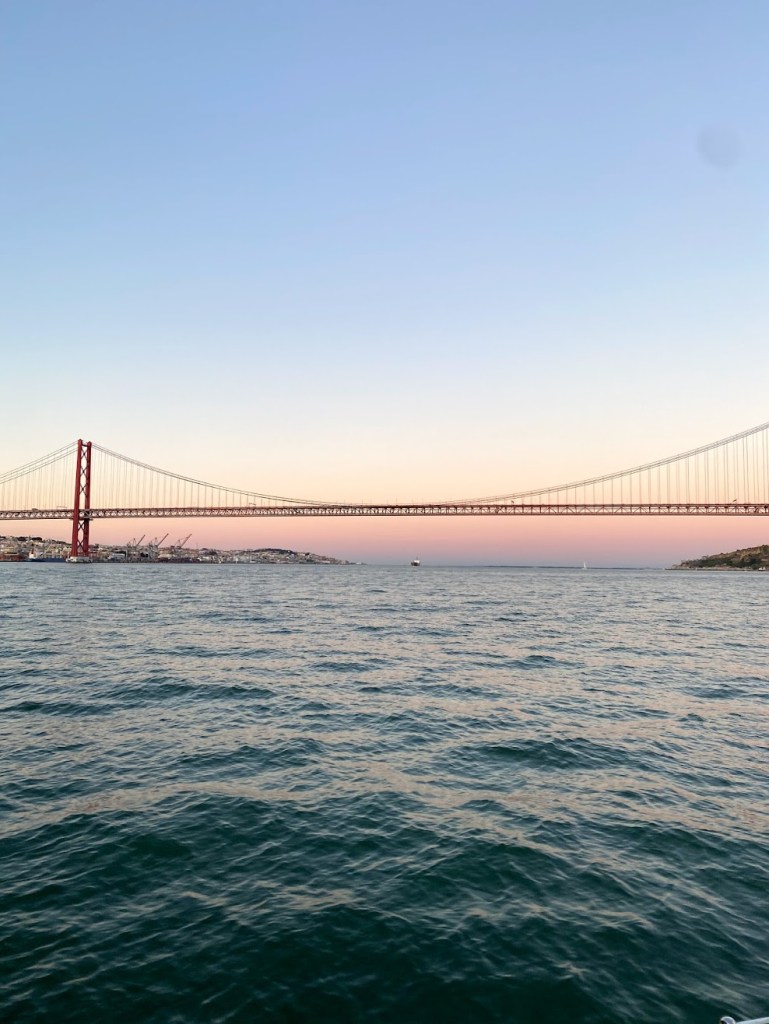
Lisbon: Hills, Tiles, and Timeless Charm
Lisbon might be one of Europe’s oldest capitals, but it feels refreshingly unstuffy. Built on seven hills like Rome, painted in pastels like a Mediterranean dream, and filled with the kind of neighborhood cafés where locals still argue about football over their morning coffee.
Getting Around: Embrace the Hills
Those famous trams aren’t just tourist attractions – they’re lifelines. Tram 28 winds through the city’s most photogenic neighborhoods, but locals use it for actual transportation. The Santa Justa Lift and Elevador da Gloria aren’t just convenient; they’re historic monuments that solve the city’s vertical challenges.
Neighborhood by Neighborhood:
Alfama: The soul of Lisbon, where Fado was born in the 1820s. Narrow streets, laundry hanging between buildings, and restaurants where grandmothers still cook family recipes. Get lost here on purpose.
Bairro Alto: Alternative and alive. Covered in graffiti, filled with bars, and somehow both gritty and charming. This is where locals go to drink and debate life until 3am.
Chiado: Elegant shopping and sophisticated dining. The perfect balance between tourist-friendly and authentically Portuguese.

Where to Eat Like a Local:
Restaurante Lisboa À Noite: This looks fancy but dress however you want. The scallops appetizer is transcendent, and reservations are essential. Their service approaches perfection.
Forno d’Oro: Italian restaurant that makes better pasta than most places in Italy. Their bruschetta is actually focaccia-style sandwich perfection, and you can get an excellent bottle of wine for €11.

Cascais: The Perfect Day Trip
Less than an hour from Lisbon by train, Cascais offers everything you want in a Portuguese coastal town: beaches, seafood, and that relaxed Atlantic energy that makes you forget your phone exists.
Getting There:
Take the train from Cais do Sodré station to Cascais. The journey costs about €2.30 and runs every 12-20 minutes. It’s one of Europe’s most scenic suburban train rides.
What to Do:
Hífen: Modern tapas with an ocean view and the best sangria you’ll ever have. Their dishes are perfect for sharing and their terrace faces the water.
Mar do Inferno: Classic seafood restaurant near the dramatic Boca do Inferno cliffs. Book ahead for terrace seating and prepare for waves that crash like theater.
Bike the Coast: The dedicated bike trail between Cascais and Guincho Beach offers stunning ocean views with minimal traffic. Rent bikes in town and ride at your own pace.
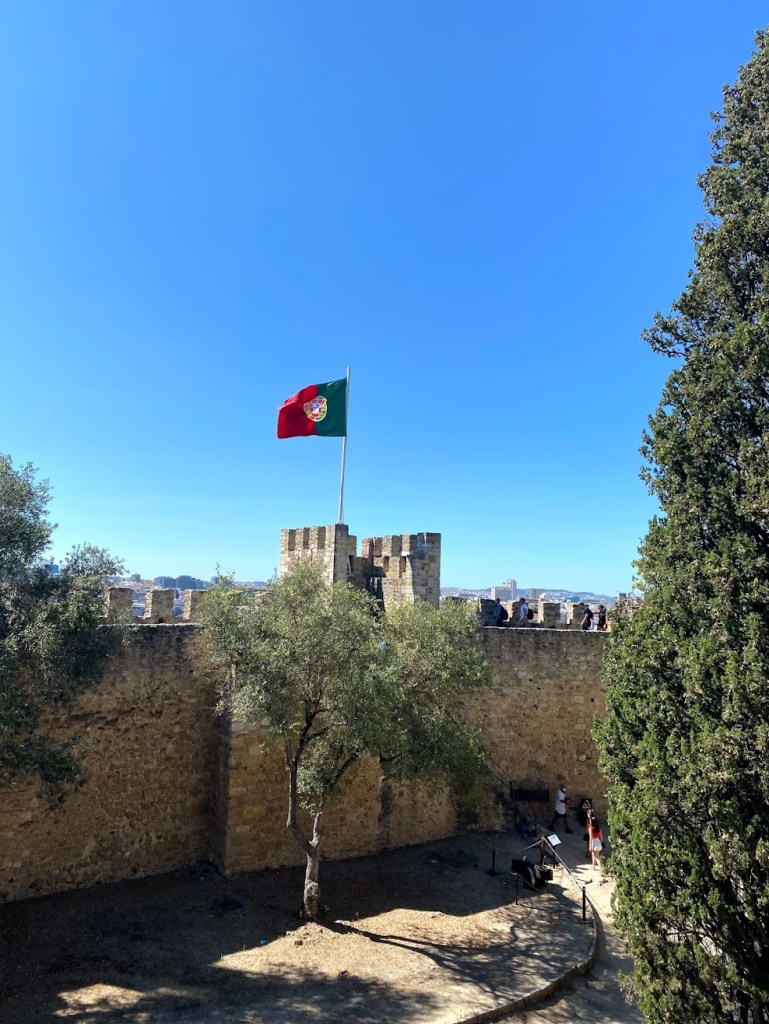
Sintra: Disney World for Architecture Lovers
A 40-minute train ride from Lisbon delivers you to Sintra, where Portuguese royalty built fairy-tale palaces in the mountains. This UNESCO World Heritage town looks like someone designed it specifically for Instagram, except it predates social media by several centuries.
The Strategy:
Start early, wear comfortable shoes, and take a tuk-tuk between palaces. Walking the hills in summer heat while juggling tourist crowds tests even the most dedicated traveler.
Pena Palace: Skip the interior line and pay €7 for grounds access instead. You can climb all over the castle exterior, take the same photos, and avoid the hour-long wait. The views alone justify the trip.
Quinta da Regaleira: The cheapest admission, the most interesting experience. Underground tunnels, hidden grottos, and gardens designed by someone with a magnificent obsession for mystery.
Moors Castle: Worth the full price for the climb and the panoramic views over Sintra’s palace-dotted landscape.
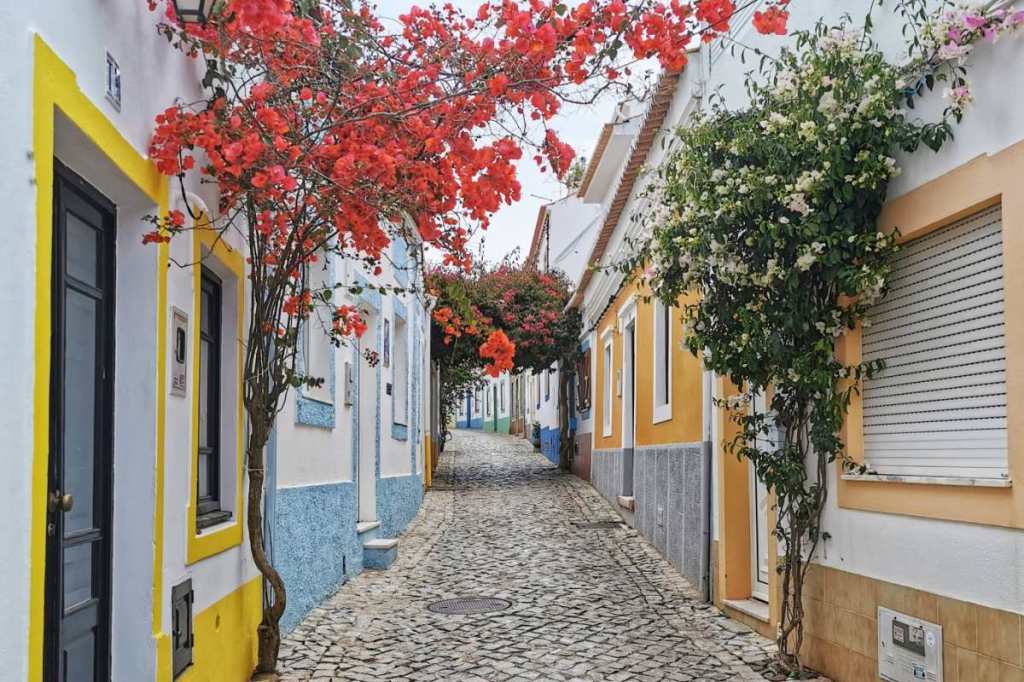
The Algarve: Portugal’s Caribbean Alternative
Everyone expects the Algarve to be touristy, and parts certainly are. But the western Algarve around Lagos offers dramatic coastlines, hidden beaches, and seafood restaurants where locals outnumber visitors.
Lagos: Base Camp for Coastal Adventures
Casa Mae provides boutique accommodation in a historic building. The location puts you walking distance from both the marina and the old town.
Ocean Adventures:
Bom Dia Boat Trips: Their 4.5-hour sailing excursion includes lunch, wine, and access to caves you can’t reach by land. The crew prepares grilled chicken and salad while you swim in turquoise water off secluded beaches.
Ponta da Piedade: These limestone cliffs and sea caves define Algarve beauty. Take a boat tour for the full experience, or hike the clifftop trails for free views.
Dining Discoveries:
Real Portuguese Cuisine: Despite being #1 rated in Lagos, it remains remarkably affordable and genuinely local. Call ahead for reservations.

Porto: The Northern Alternative
Porto offers everything Lisbon does – history, culture, excellent food – with fewer tourists and more authentic Portuguese character. The Douro River valley wine region makes this city an essential stop for anyone who appreciates good wine.
The Douro Valley Experience:
Book a full-day wine tour that includes transportation, tastings at multiple quintas (wine estates), traditional lunch, and a river cruise on a rabelo boat. Tours start around $125 per person and provide insight into Portugal’s most famous wine region.
The terraced vineyards create landscapes that look hand-painted, and the wine tastings range from familiar ports to lesser-known varieties that never leave Portugal.
Practical Portugal: What You Need to Know
Money Matters:
Portugal offers incredible value. Excellent dinners for €25-40 per person, great wine starting at €8-12 per bottle, and accommodation that costs half what you’d pay in Paris or Rome.
Transportation:
CP trains connect major cities efficiently and affordably. Lisboa Cards and regional passes can save money if you’re moving around frequently.
Rental cars make sense for exploring the countryside and coastal areas, but cities are best experienced on foot or public transport.
Timing:
Spring and Fall offer perfect weather and manageable crowds. Summer brings heat and tourists but also festivals and beach weather. Winter is mild and authentically local.
Language:
Portuguese people often speak multiple languages, but attempting basic Portuguese phrases earns genuine appreciation. The effort matters more than accuracy.

Why Portugal Gets Under Your Skin
This country operates at a human pace. Lunch is a proper break, dinner starts late and lasts long, and conversations with strangers happen naturally. Portuguese people have mastered something many cultures have lost: the art of enjoying life without constantly documenting it.
You’ll return home with different standards for seafood, an appreciation for tile work as high art, and probably a mild obsession with Portuguese wine that costs less than coffee drinks elsewhere.
The Portuguese Advantage:
- Authentic experiences without tourist theater
- Excellent food and wine at reasonable prices
- Diverse landscapes within a compact country
- Welcoming culture that doesn’t feel performed
- Infrastructure that works without feeling sterile
Planning Your Portuguese Adventure
Minimum Time: One week allows Lisbon plus one day trip and one other city.
Ideal Duration: Two weeks lets you experience Lisbon, Porto, the Douro Valley, and the Algarve without rushing.
Must-Book Ahead: Wine tours, any restaurant you’ve researched online, and accommodation during summer months.
Pack: Comfortable walking shoes, layers for changeable weather, and an empty suitcase for all the wine and ceramics you’ll want to bring home.

The Bottom Line
Portugal rewards travelers who value substance over flash, quality over quantity, and authentic experiences over manufactured attractions. It’s a country that’s been refining the good life for centuries and is generous about sharing those secrets with visitors.
Come for the affordability, stay for the authenticity, leave already planning your return. Portugal doesn’t just offer a vacation – it offers a masterclass in how to live well.
Ready to discover Portugal beyond the typical tourist trail? I create personalized Portuguese itineraries that balance must-see destinations with authentic local experiences. Email me at sarah.fitzgerald1@fora.travel to start planning your Portuguese adventure.
Let’s explore the country that’s been perfecting the art of the good life for centuries.

 The Insider's Atlas